

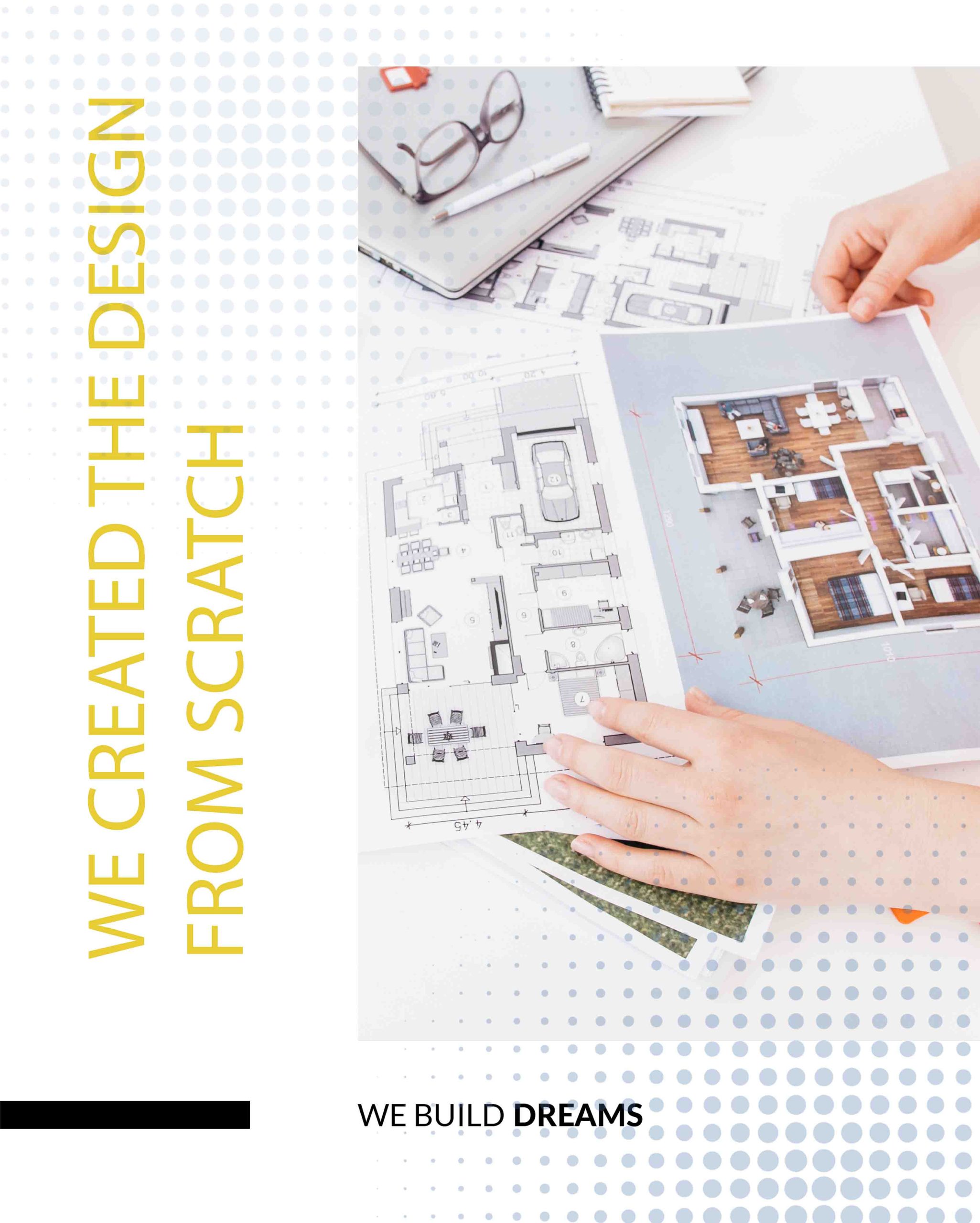
According to the books, interior design is defined as:
“Interior design is the science of enhancing the interior of a building to achieve a healthier and more aesthetically pleasing environment for the people using the space.”
But interior design is much more than that. It connects directly to our emotions and the way we experience our surroundings. It is a powerful, essential part of daily life that affects how we live, work, relax, and even heal. A beautiful, functional space in your favorite color palette creates a positive experience and naturally brings a smile to your face.
The environment around us significantly influences our mood, well-being, worldview, and even character formation. Spaces should work for people, not against them.
You may still wonder: Why should I hire an interior designer if I know my taste and how I want my space to look? Here are several compelling reasons why working with a designer is a smart investment.
Get to Know the Interior Design Profession
An interior designer possesses both technical knowledge and creative skills. They master the art of transforming spaces to make them functional, aesthetically pleasing, and safe. With a keen sense of style, they can capture the client’s needs and create a personalized, authentic experience.
Their responsibilities include space planning, developing technical drawings for construction teams (architecture, plumbing, electrical, HVAC), and selecting the right textures, color schemes, furnishings, decorations, and lighting. Projects can range from simple home interiors to luxury hotel lobbies or vibrant restaurants.
A good designer is well-versed in different design disciplines and follows a logical, structured process, typically including:
The Main Steps in Every Interior Design Project:
- Consultation
An initial discussion with the client to understand their needs and requirements. Ideally, this takes place at the project site or in the office with floor plans provided. - Concept Development
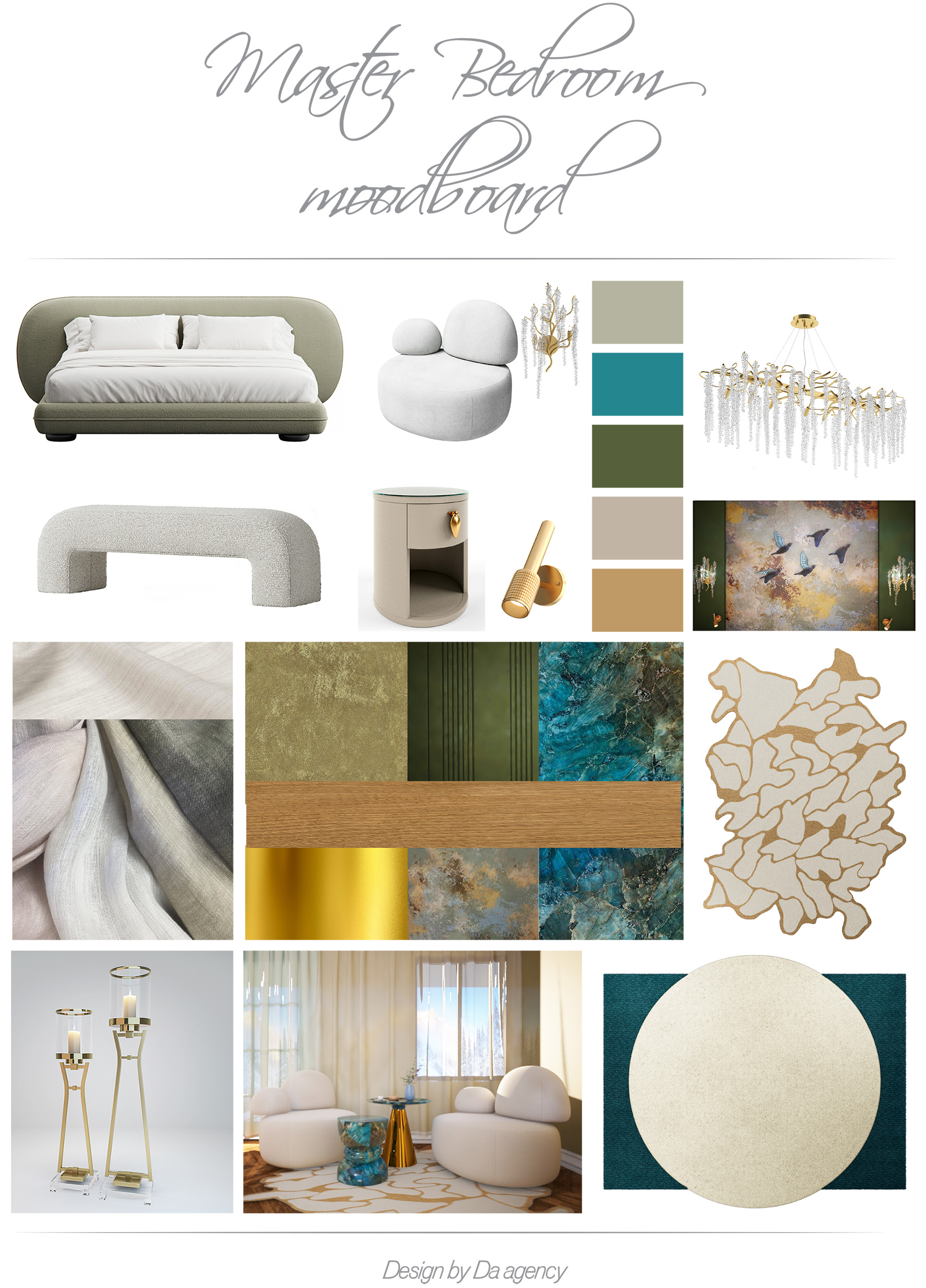
The designer presents different layout options with marked furniture placements and mood boards for visual inspiration.
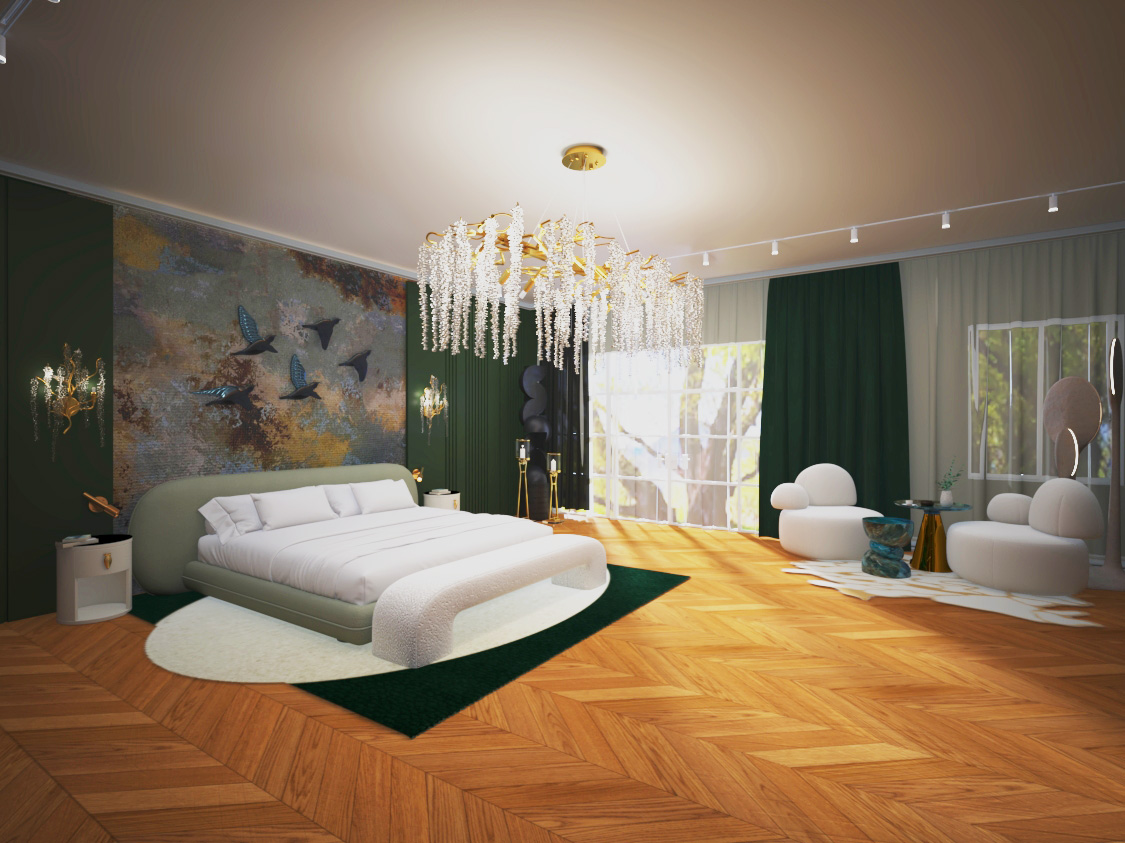
- Final Project Documentation
Once a layout is approved, the designer prepares the final project with specific furniture selections, lighting, wall and floor coverings, and detailed drawings for correct implementation. - Author Supervision
The designer oversees the project during construction, maintaining close communication with contractors, furniture suppliers, and vendors until project completion.
The Advantages of Hiring an Interior Designer:
✅ They Can Save You Money
Although hiring a designer is an extra expense, in the long run, it prevents costly mistakes — like purchasing furniture that doesn’t fit or fixing improperly installed utilities.
✅ They Save You Time
A professional will prepare a project timeline and strive to stick to it, managing everything from measurements and ideas to market research and price comparisons.
✅ Professional Expertise
Hiring a designer means getting a tailored action plan and a trained eye to anticipate and solve potential problems.
✅ Network of Contacts and Resources
Designers often work with reliable contractors, suppliers, and vendors, ensuring a smoother project execution. They can also assist in coordinating with architects to avoid initial design errors.
✅ Attention to Detail
Every element — big or small — is considered, ensuring a cohesive and polished final result.
✅ Less Stress
Managing a project alone can be overwhelming. Let a professional handle schedules, deliveries, and coordination so you can enjoy the process.
Let’s Walk the Path to a Successful Project Together
If you are looking for an interior designer or simply want professional advice, we are here to help.